Kathy Kolasa: Dollar stores carry inexpensive options for healthy eating | Feature Columnist

Dear readers: Emma Nipp and Purav Shah, rising second-year students, received a summer fellowship to do nutrition education from a fund at the ECU Health Foundation that supports medical students interested in learning more about nutrition in community and primary care. Nipp describes their special project for this summer. Here is what she wants you to know.
Myth or fact? Fresh vegetables are the healthiest choice, but frozen and canned vegetables are a great option if you cannot afford fresh ones.
If you joined us at our Dollar General grocery store tour this summer, you would know that healthy eating does not require expensive fresh produce or a trip to a large commercial grocery store.
Together with my medical school classmate, Purav Shah, we explored how to transform nutrition recommendations one might receive in a doctor’s office into accessible, affordable and realistic changes that families can incorporate into their daily lives. Hence, we created a grocery store tour and cooking class curriculum using ingredients typically available at Dollar General stores. Our goal was to show the community that nutritious meals can be affordable, convenient and possible even when food choices seem limited.
One of the biggest misconceptions we encountered was the belief that healthy eating required expensive ingredients and that frozen or canned vegetables were inferior to fresh. While fresh vegetables can be a great choice, frozen and canned vegetables can provide important nutrients while offering a longer shelf life and convenience. Importantly, frozen and canned vegetables may also often fit better within a limited budget.
Our project was centered at the Bethel Dollar General store because we wanted to bring nutrition education to a community where access to a large grocery store is limited. We recognized that barriers to healthy eating can include long travel distances, limited transportation and fewer opportunities to receive nutrition education. Rather than simply encouraging people to “eat healthier,” we wanted to provide practical strategies that could be used with the foods already available in their community.
We designed and hosted a Dollar General grocery store tour, inspired by the Pitt Partners for Health Penny Pinchers grocery store tours that are offered throughout the year in different Food Lion stores in Pitt County. During our Dollar General tour, we walked through the aisles with shoppers, showing them tips for finding affordable healthier options. We guided community members through reading the Nutrition Facts labels, comparing unit pricing and looking for the “DG Better For You” tags. Many participants were surprised to learn that healthier options were available on the shelves they passed every week.
It is our hope that this tour might be expanded on and offered at other Dollar General locations around Pitt County. We appreciated the cooperation of the staff at the Bethel Dollar General, who allowed us access and answered lots of our questions.
We also hosted two cooking classes at the Bethel Pentecostal Holiness Church. We are extremely grateful to Rev. Marc Swanner for allowing us to host our classes in the heart of Bethel. The cooking classes we designed and implemented expanded on the topics covered in the grocery store tour and incorporated cooking demonstrations on how to prepare healthy meals using canned ingredients from Dollar General. Many people were surprised by the versatility of canned goods and how they could be incorporated into nutritious meals.
Our first class focused on vegetables. During this class, we prepared vegetable soup, green beans and tomatoes, and a bean salad. The vegetable soup was definitely a hit, and the cost per serving was only 94 cents!
As we continue our medical education, we will carry these experiences with us. This summer confirmed to us why community-based education truly matters.
Our experience in Bethel helped answer the question: How do we transform nutrition recommendations one might receive in a doctor’s office into meaningful action? The answer is by making those recommendations practical, accessible and relevant to the communities we serve.
We appreciated the mentorship of Kay Craven, MPH, RDN, CDCES; Brittany Smith, MS, RDN, LDN from ECU Family Medicine; and Morgan Chesson, ECU dietetic intern. As future physicians, we hope to continue to approach patient care with this perspective.
We hope that everyone who came to our classes — and now everyone reading this article — knows that the best vegetables are the ones that they can afford and will consistently eat.
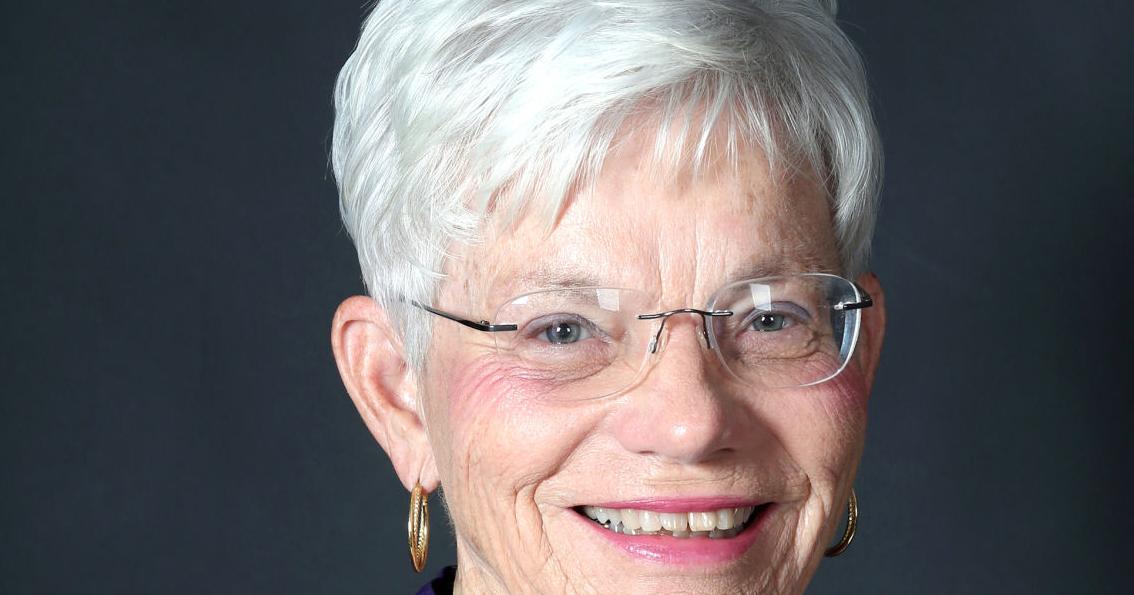
Professor emeritus Kathy Kolasa, a registered dietitian nutritionist and Ph.D., is an affiliate professor in the Brody School of Medicine at ECU. Contact her at kolasaka@ecu.edu.