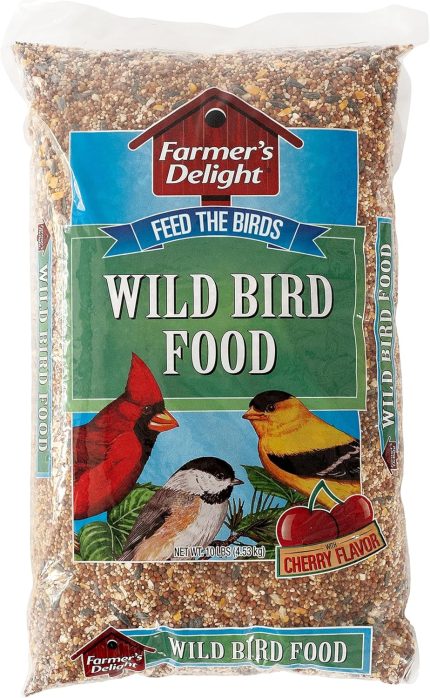


A Kid’s Guide to Backyard Birds (Kid’s Backyard Guide)
Original price was: $14.99.$9.38Current price is: $9.38.
Price: $14.99 - $9.38
(as of Jul 30, 2026 14:01:48 UTC – Details)
Packed with essential facts on the United States’ most easy-to-spot birds, this brightly illustrated guide is perfect for burgeoning birdwatchers ages 6 to 8.
“Hits the sweet spot between primary introductions and full-length field guides.” ― Kirkus Reviews
A Kid’s Guide to Backyard Birds is filled with fascinating facts about the most common birds, including where they live, what they eat, and how they sound when they sing. How did the Brown-Headed Cowbird get its name? Which bird can fly up to 40 miles per hour? Packed with over 80 full-color, gorgeous illustrations, this portable field guide will have burgeoning bird lovers excited about exploring the amazing world just outside their door.
The frontmatter contains a hands-on DIY project, info on how to identify birds, and what are absolute essentials to take in your bag as a beginner birdwatcher. The backmatter contains a bird log to keep track of all the birds spotted, information on how we can protect our birds, and a glossary of important terms found bolded throughout the book.
From the Publisher


American Goldfinch
The American Goldfinch is known for its eye-catching feathers. In the warmer months, they are bright yellow and black with white streaks on their wings and tails. In the winter, their feathers fade to brown. You can easily tell the males from the females. The males have brighter feathers and a black spot on their foreheads.
FUN FACT: American Goldfinches change color twice a year. They do this by shedding their feathers and growing new ones, a process called molting.

Great Blue Heron
The Great Blue Heron is the largest heron in the United States. Their open wings span 6 feet! You won’t find a Great Blue Heron in your backyard. They live near water and are not social with humans. It’s best to observe these stately birds from a distance.
FUN FACT: Great Blue Herons have excellent night vision. This helps them hunt after dark.

Red-Bellied Woodpecker
Despite their name, Red-Bellied Woodpeckers don’t have red bellies. They do, however, have a bright red streak on their heads. These noisy birds can often be found pecking at bark or flying in an up and down pattern, like a roller coaster.
FUN FACT: Red-Bellied Woodpeckers have long, sticky tongues! They use them to catch prey.
Publisher : Gibbs Smith
Publication date : March 7, 2023
Language : English
Print length : 96 pages
ISBN-10 : 1423662636
ISBN-13 : 978-1423662631
Item Weight : 6.8 ounces
Reading age : 6 – 8 years
Dimensions : 5 x 0.4 x 7 inches
Grade level : 1 – 3
Best Sellers Rank: #95,890 in Books (See Top 100 in Books) #220 in Bird Watching (Books) #381 in Children’s Zoology Books (Books) #520 in Children’s Bird Books (Books)
Customer Reviews: 4.9 4.9 out of 5 stars (35) var dpAcrHasRegisteredArcLinkClickAction; P.when(‘A’, ‘ready’).execute(function(A) { if (dpAcrHasRegisteredArcLinkClickAction !== true) { dpAcrHasRegisteredArcLinkClickAction = true; A.declarative( ‘acrLink-click-metrics’, ‘click’, { “allowLinkDefault”: true }, function (event) { if (window.ue) { ue.count(“acrLinkClickCount”, (ue.count(“acrLinkClickCount”) || 0) + 1); } } ); } }); P.when(‘A’, ‘cf’).execute(function(A) { A.declarative(‘acrStarsLink-click-metrics’, ‘click’, { “allowLinkDefault” : true }, function(event){ if(window.ue) { ue.count(“acrStarsLinkWithPopoverClickCount”, (ue.count(“acrStarsLinkWithPopoverClickCount”) || 0) + 1); } }); });







![The Hummingbirds Bible: [3 in 1] The Complete Guide to Attracting, Identifying, and Enjoying Hummingbirds](https://m.media-amazon.com/images/I/61TES180wZL._SL1294_.jpg "The Hummingbirds Bible: [3 in 1] The Complete Guide to Attracting, Identifying, and Enjoying Hummingbirds")